A surprising number of big home repair bills begin with ordinary buildup. Dirty HVAC filters let dust reach coils, clogged dryer vents trap heat and lint, and neglected gutters push roof runoff toward the foundation instead of away from it. The pattern is simple: when a small cleaning job affects water, heat, or airflow, skipping it can turn housekeeping into maintenance. (energy.gov)
TL;DR
- Prioritize the places that control water, heat, and airflow. That is where small messes most often turn into expensive problems. (energy.gov)
- The highest-payoff cleaning jobs for most homes are the dryer vent, HVAC filter area, outdoor condenser space, gutters and downspouts, bathroom exhaust fan, and refrigerator coils. (cpsc.gov)
- Use the CLOG Score in this article to decide what deserves monthly attention and what can wait for a seasonal reset.
- If a task keeps failing after you clean it, the problem may no longer be dirt. It may be bad venting, a drainage design issue, a leak, or a part that needs repair. (cpsc.gov)
- This article is general information, not a substitute for your appliance manual or a licensed HVAC, roofing, electrical, plumbing, or mold-remediation professional.
Use the CLOG Score to decide what gets cleaned first
Home owners often have a full ‘to do’ list but lack the best ways to filter through them to complete tasks. The CLOG Score provides an extremely quick triage tool: (C) Costly if not taken care of; (L) Loads up quickly; O – Out of Sight; G Govern’s Water, Heat, or Airflow. Points are assigned (1 point for each letter) by area; areas that receive scores of 3 or 4 should be inspected monthly or seasonally; those with scores of 1 or 2 should typically be inspected later.
| Spot | Why it matters | CLOG score | Good cadence |
|---|---|---|---|
| Dryer lint screen and exhaust duct | Lint and restricted airflow can overheat a dryer, and federal safety guidance specifically tells homeowners to clean the lint screen, vent, exhaust duct, and the area behind the dryer. (cpsc.gov) | 4/4 | Lint screen every load; exterior vent check monthly; full vent cleaning periodically |
| HVAC filter and return area | DOE calls filter replacement or cleaning a critical maintenance task because dirty filters reduce airflow and let dirt reach the evaporator coil. (energy.gov) | 4/4 | Every month or two during cooling season if you are unsure, and more often with pets or dust |
| Gutters and downspout extensions | Clogs can send roof water toward the foundation, and downspouts should discharge away from the wall. (extension.umn.edu) | 4/4 | At least spring and fall, plus after heavy leaf drop or storm debris |
| Bathroom exhaust fan cover and vent path | Bathroom ventilation helps control moisture and mold risk, but the fan needs to move enough air and vent outdoors. (epa.gov) | 3/4 | Dust quarterly; inspect operation and vent path yearly |
| Refrigerator coils | Dusty coils make the refrigerator work harder and can raise energy costs while shortening appliance life. (energy.gov) | 3/4 | Every 6 to 12 months, more often with shedding pets |
The six cleaning jobs that punch above their weight
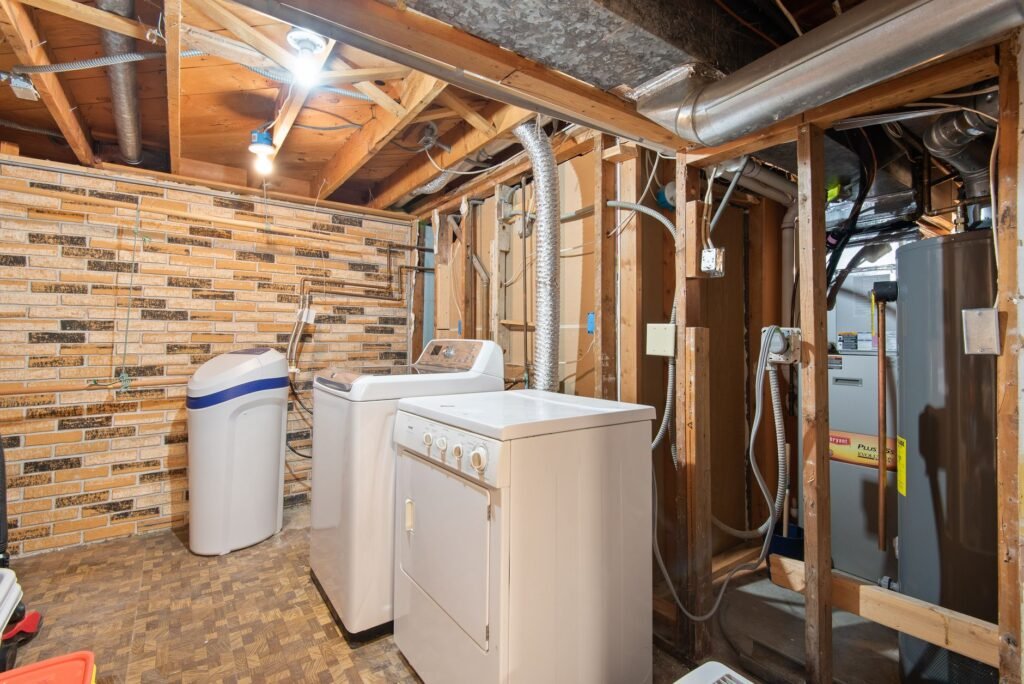
1. Clean the dryer lint path, not just the screen
Start with the easiest habit in the house: clear the lint screen every load. Then go one step further. CPSC says fires can occur when lint builds up in the dryer or exhaust duct, and it advises cleaning the vent, exhaust duct, and behind the dryer periodically. The U.S. Fire Administration says fire departments responded to an estimated 2,900 clothes dryer fires in residential buildings annually from 2008 through 2010. (cpsc.gov)
The budget angle is bigger than fire risk alone. A restricted dryer vent means longer cycles, repeated cycles, and more wear. If clothes stay damp at the end of a normal run, the outside flap barely opens, or the hose is crushed, stop treating it as a simple lint-screen issue. CPSC also recommends rigid or corrugated semi-rigid metal ducting instead of plastic or foil accordion ducting because the flexible versions trap lint more easily and kink more often. (cpsc.gov)
2. Replace the HVAC filter before it punishes the rest of the system
DOE calls filter replacement or cleaning a critical maintenance task. If you are unsure what your system needs, DOE says to clean or replace filters every month or two during cooling season, and more often if the system runs constantly, the house is dusty, or you have pets. Dirty filters reduce airflow, can let dirt accumulate on the evaporator coil, and can contribute to premature failure. (energy.gov)
This is why a filter change is not a tiny errand. It protects the more expensive parts behind it. If you use a heat pump, DOE also says a severely neglected system can use 10% to 25% more energy than a well-maintained one. That does not mean every dirty filter creates that exact penalty, but it is a useful reminder that neglect can raise utility costs before it leads to a repair call. (energy.gov)
3. Keep the outdoor condenser area and condensate drain clear
Many homeowners remember the filter and forget the outdoor unit. DOE says outdoor condenser coils can get very dirty, especially with dust or nearby foliage, and recommends keeping the area around the condenser clean with at least 2 feet of trimmed-back clearance. The same DOE guidance says to clear condensate drain channels periodically because clogs can cause the equipment to shut off or create water damage where blocked drains overflow. (energy.gov)
This is a classic hidden-cost task. Leaves, cottonwood fluff, weeds, or stored items around the condenser reduce airflow. A slow condensate drain may do nothing visible until you notice a ceiling stain, a wet closet, or a unit that stops during a hot week. The cleaning itself is small. The consequences of putting it off usually are not. (energy.gov)
4. Treat gutters as water-management equipment, not yard clutter
Leaves in a gutter look harmless until you do the math. University of Minnesota Extension notes that a 1-inch rain drops about 1,250 gallons of water on the roof of a 2,000-square-foot house. It also warns that missing or defective gutters and downspouts direct water toward the foundation, and says extensions should discharge water at least 4 feet beyond the wall. (extension.umn.edu)
That makes gutter cleaning a personal-finance chore, not a cosmetic one. You are deciding where roof water lands. Clean the troughs, flush the downspouts, and confirm that splash blocks or extensions still send water away from the house instead of into a flower bed that has built up against the foundation over time. If your basement gets damp after storms, this is one of the first places to check. (extension.umn.edu)
5. Clean the bathroom fan cover and fix the moisture loop
EPA is blunt about bathroom ventilation: it protects both your health and your home by removing unwanted moisture and helping prevent mold and mildew. Just as important, the fan has to do more than make noise. EPA says it needs to exhaust sufficient air and send that air directly outside, not into an attic or another space inside the house. (epa.gov)
A dusty grille is worth vacuuming because it is the cheapest place to restore airflow. But do not stop there. EPA and CDC guidance both say visible mold should be cleaned and the moisture problem fixed, and that bathroom fans should vent outdoors during and after showering. In practice, that means wiping down wet buildup in shower corners and tracks, cleaning fan covers, and then verifying that the room actually dries out instead of staying humid for hours. (epa.gov)
6. Vacuum refrigerator coils before the fridge starts charging rent
This is one of the most overlooked maintenance chores because the appliance usually keeps running. DOE says refrigerator coils should be cleaned every 6 months to a year, and more often if you have shedding pets. When coils are dirty with lint, dust, or pet hair, the refrigerator has to work harder, may cool less efficiently, can raise energy costs by as much as 35%, and may have a shorter life. (energy.gov)
If your refrigerator has accessible coils and the owner manual allows it, this is one of the better 15-minute jobs in the house. Pull the unit out carefully, clean the dust, and put the date on your calendar. It is hard to find an easier way to protect both an appliance and a monthly utility bill. (energy.gov)
A realistic budget example: small chores, quiet savings
Suppose a household spends $180 a month on heating and cooling during peak summer use. DOE says a severely neglected heat pump can use 10% to 25% more energy than a well-maintained one. On that sample bill, that is roughly $18 to $45 a month in avoidable energy use. If that same household has a refrigerator that normally costs $12 a month to run, a 35% penalty from dirty coils would add about $4 more. Those are sample household math assumptions, not national averages, but they show how neglect can leak money before anything fully breaks. (energy.gov)
Water can be even more expensive because it hides. On a 2,000-square-foot roof, a single 1-inch storm puts about 1,250 gallons on the roof surface. If clogged gutters or short downspouts keep dropping a share of that near the foundation week after week, you may not notice the cost until there is damp drywall, a musty basement, or a drainage project in your future. (extension.umn.edu)
A one-hour preventive cleaning reset
- Start with a bag, gloves, vacuum, flashlight, hose, and a notepad or phone. The goal is not deep cleaning. The goal is to inspect the high-risk buildup points.
- Clear the dryer lint screen, vacuum behind the dryer, and check that the outside vent flap opens while the dryer runs. If dry times are still long, move it from the cleaning list to the repair list. (cpsc.gov)
- Check the HVAC filter size and date, replace or clean it as needed, vacuum the return grille, and clear plants or clutter so the outdoor unit has breathing room. (energy.gov)
- Remove leaves from gutters, flush each downspout, and make sure the discharge point is still carrying water at least 4 feet away from the house. (extension.umn.edu)
- Vacuum the bathroom fan cover, run the fan, and do a simple tissue test at the grille. If airflow is weak or the duct ends in the attic, schedule a proper fix. (epa.gov)
- Pull the refrigerator out if safe, vacuum accessible coils, and log the date. Then add the next cleaning date to your calendar before you push the appliance back. (energy.gov)
Common mistakes that turn a quick cleaning job into a fake fix
- Cleaning the gutter trough but forgetting the downspout elbow or extension. If the water still lands near the wall, the problem is not solved. (extension.umn.edu)
- Changing the dryer-screen habit but ignoring long dry times. CPSC treats long cycles and damp clothes as signs that the lint screen or exhaust duct may be blocked. (cpsc.gov)
- Installing whatever HVAC filter is on sale without checking system guidance. DOE says to follow manufacturer or HVAC contractor guidance, and some higher-efficiency filters may require the right cabinet setup. (energy.gov)
- Assuming a loud bathroom fan is a working bathroom fan. EPA says the key question is whether it exhausts enough air and vents directly outside. (epa.gov)
- Cleaning visible mold but ignoring the moisture source. EPA says to fix water and moisture problems promptly and dry materials thoroughly, ideally within 24 to 48 hours. (epa.gov)
When cleaning is no longer enough
Some chores eventually move beyond DIY. Call for help if a dryer vent is crushed or still weak after cleaning, if the AC drain keeps overflowing, if gutters are clear but water still ponds at the foundation, if the bathroom fan dumps into the attic, or if mold keeps returning after cleanup. At that point, you are dealing with routing, grading, leaks, or equipment problems, not just dirt. (cpsc.gov)
If you can’t safely climb ladders, don’t risk it for a DIY win. Paying someone to access your gutters and vents may be the cheaper route if it saves you falls, delayed maintenance, and the big repairs that follow.
How to verify that the advice is actually working
- Dryer test: The outside flap should open and a normal load should finish in a normal cycle. Longer dry times are a warning sign, not a personality trait of the machine. (cpsc.gov)
- HVAC test: Put the filter date on the frame, and confirm the outdoor unit still has roughly 2 feet of open space around it. (energy.gov)
- Gutter test: Run a hose after cleaning and watch where the water lands. The downspout should discharge well away from the foundation, ideally at least 4 feet. (extension.umn.edu)
- Bathroom test: The fan should hold a tissue at the grille and the room should not stay humid for long after a shower. EPA says indoor relative humidity should stay below 60%, ideally 30% to 50%. (epa.gov)
- Refrigerator test: If the coils are accessible, log each cleaning date. A task that lives on the calendar is far more likely to stay preventive. (energy.gov)
Bottom line
The cheapest cleaning jobs are not always the most obvious. The best preventive chores are the ones that keep water moving away, air moving through, and heat escaping safely. If you do only a few, put the dryer vent, HVAC filter area, outdoor condenser space, gutters and downspouts, bathroom fan, and refrigerator coils on a recurring schedule. That is where a little cleaning most often prevents a much bigger bill later. (cpsc.gov)
Frequently Asked Questions
How often should I clean gutters if there are not many trees around my house?
At least spring and fall is a reasonable baseline, but do an extra check after storms or seasonal leaf drop. The bigger point is not the calendar alone. Flush the downspouts and confirm the water is discharging away from the foundation, ideally at least 4 feet from the wall. (extension.umn.edu)
Is changing the HVAC filter enough if I want to avoid service calls?
It helps a lot, but it is not the whole maintenance plan. DOE calls filter replacement critical, yet it also recommends professional service for heat pumps at least once a year and notes that coils, ducts, drains, and airflow matter too. (energy.gov)
What is the clearest sign that my dryer vent needs attention?
The strongest warning signs are longer-than-normal dry times, clothes that stay damp at the end of a typical cycle, or weak airflow at the outside vent hood. CPSC specifically points to those signs as evidence that the lint screen or exhaust duct may be blocked. (cpsc.gov)
Do bathroom fans really need to vent outside?
Yes. EPA says bathroom fans should exhaust directly to the outside, not into an attic or another space in the house. Otherwise, you may just move moisture from the bathroom to a hidden area where mold and damage can develop. (epa.gov)
Are refrigerator coils still worth cleaning on newer models?
If your model has accessible coils and the owner manual permits cleaning, yes. DOE still says dirt should be cleaned from refrigerator coils every 6 months to a year, and more often in homes with shedding pets. (energy.gov)
References
- U.S. Department of Energy: Air Conditioner Maintenance – https://www.energy.gov/energysaver/air-conditioner-maintenance
- U.S. Department of Energy: Operating and Maintaining Your Heat Pump – https://www.energy.gov/energysaver/operating-and-maintaining-your-heat-pump
- U.S. Department of Energy: Purchasing and Maintaining Refrigerators and Freezers – https://www.energy.gov/energysaver/purchasing-and-maintaining-refrigerators-and-freezers
- U.S. EPA: Biological Contaminants and Indoor Air Quality – https://www.epa.gov/indoor-air-quality-iaq/biological-contaminants-and-indoor-air-quality
- U.S. EPA: Remodeling Your Home and Indoor Air Quality – https://www.epa.gov/indoor-air-quality-iaq/remodeling-your-home-and-indoor-air-quality
- CDC: Mold – https://www.cdc.gov/mold-health/about/index.html
- U.S. Consumer Product Safety Commission: Overheated Clothes Dryers Can Cause Fires – https://www.cpsc.gov/s3fs-public/5022.pdf
- U.S. Fire Administration: Statistical Reports on What Causes Fires – https://www.usfa.fema.gov/statistics/reports/fire-causes/
- University of Minnesota Extension: Moisture in Basements: Causes and Solutions – https://extension.umn.edu/moisture-and-mold-indoors/moisture-basements-causes-and-solutions